Concrete Driveway Installation
A driveway is one of the hardest-working surfaces around your home. It needs to support vehicles, handle everyday traffic, and stand up to years of outdoor exposure while still contributing to the overall appearance of your property.
For homeowners in Covington, Mandeville, and throughout the Northshore, concrete driveway installation can provide a durable, dependable surface for both new construction and existing homes.
Whether you are replacing an older driveway or adding one to a new home, understanding the planning and installation process can help you make better decisions before the work begins.
Why Choose a Concrete Driveway?
Concrete is commonly used for residential driveways because of its strength and durability. When properly installed and maintained, a concrete driveway can provide a solid surface capable of supporting the weight of everyday vehicle traffic while requiring relatively little routine maintenance.
Concrete also works well with many different home styles, making it a practical option for properties throughout St. Tammany Parish and the surrounding Northshore.
Some of the reasons homeowners choose concrete include:
- Strong load-bearing capacity
- Long-term durability
- A clean, finished appearance
- Relatively simple maintenance
- Resistance to water and fire damage
- Flexibility for different driveway sizes and layouts
The right installation can create a driveway that is both functional and visually appropriate for the home.
When Should You Replace a Concrete Driveway?
Not every crack means a driveway needs to be replaced. However, an older driveway may eventually develop problems that go beyond minor cosmetic issues.
It may be time to talk with a concrete contractor if you notice:
- Large or widening cracks
- Significant settling
- Uneven sections
- Broken or crumbling concrete
- Drainage problems
- Areas that hold standing water
- Extensive deterioration across the driveway
A contractor can inspect the existing surface and help determine whether repair or replacement makes more sense.
Planning a New Concrete Driveway
Good driveway construction begins before concrete is ever poured. The size, shape, location, drainage, and intended use of the driveway should all be considered during planning.
Driveway Size
The driveway should provide enough space for the vehicles that regularly use it while also allowing comfortable access to garages, carports, or parking areas.
Homeowners may also want to consider whether they need:
- Additional parking
- A wider turnaround area
- Space for larger vehicles
- Connections to walkways or patios
Thinking about these needs ahead of time can help prevent the finished driveway from feeling too narrow or restrictive.
Site Preparation Matters
Concrete performs best when it is installed over a properly prepared area. Before pouring begins, the site may need to be cleared, graded, and prepared to support the new concrete. The condition of the underlying surface is important because poor preparation can contribute to future settling or cracking. Professional concrete work involves more than simply pouring material into place.
The preparation underneath the driveway is an important part of creating a durable finished surface.
Drainage Should Be Part of the Plan
Water management is especially important for outdoor construction projects in South Louisiana. A new driveway should be designed so that rainwater moves away from the home and does not create unnecessary pooling around the property.
Depending on the location, the contractor may need to consider:
- Existing grading
- Drainage direction
- Nearby landscaping
- Garage entrances
- Walkways
- Street access
- Adjacent patios or structures
Planning for drainage before the concrete is poured can help prevent problems later.
How Thick Should a Concrete Driveway Be?
The appropriate thickness can depend on how the driveway will be used and the conditions of the property.
A driveway that primarily supports passenger vehicles may have different requirements than one that regularly accommodates heavier trucks or equipment.
Rather than choosing a thickness based on a general rule, homeowners should discuss expected use with their concrete driveway contractor.
The contractor can evaluate the project and recommend an installation appropriate for the intended load.
What About Cracking?
Concrete is extremely strong, but cracking can still occur over time. Changes in temperature, soil movement, moisture, and normal settling can all affect concrete surfaces. Proper site preparation, installation techniques, and control joints can help manage how the surface responds to movement.
While no contractor can guarantee that concrete will never develop a crack, quality installation can help reduce avoidable problems.
Can a Concrete Driveway Be Customized?
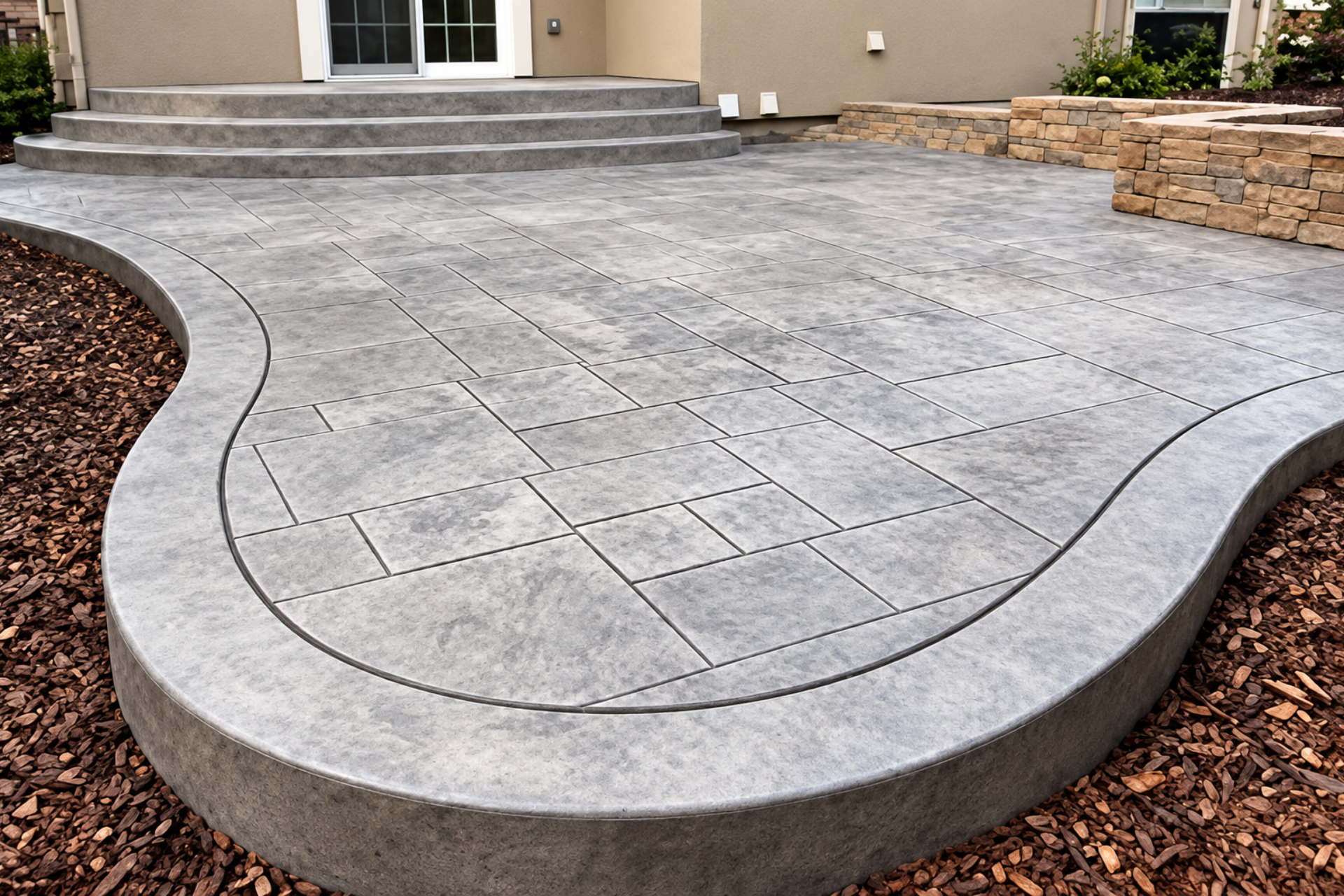
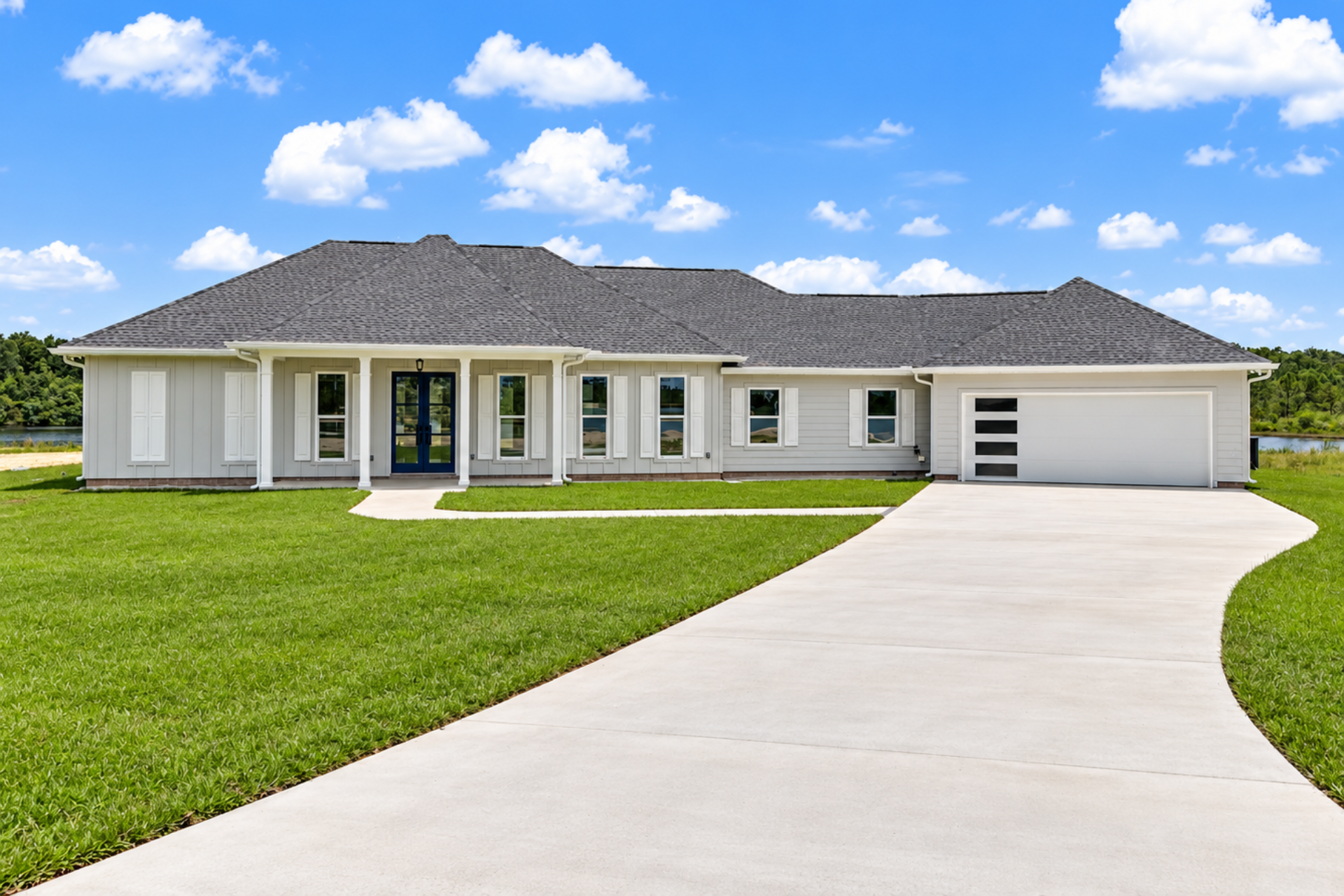
A driveway does not necessarily have to be a plain rectangular slab. Depending on the property, homeowners may be able to incorporate:
- Curved layouts
- Wider parking areas
- Walkway connections
- Decorative borders
- Different finishes
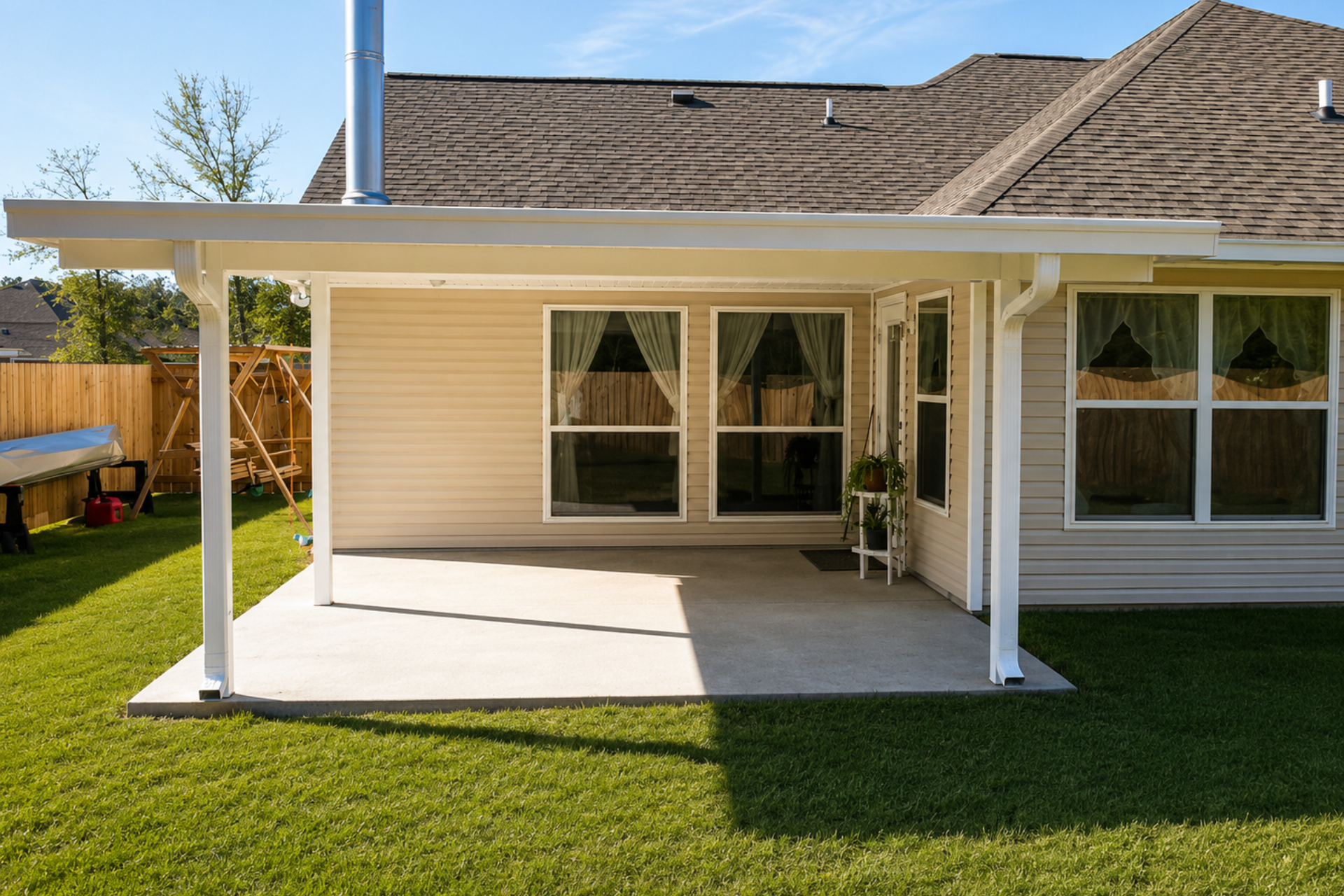
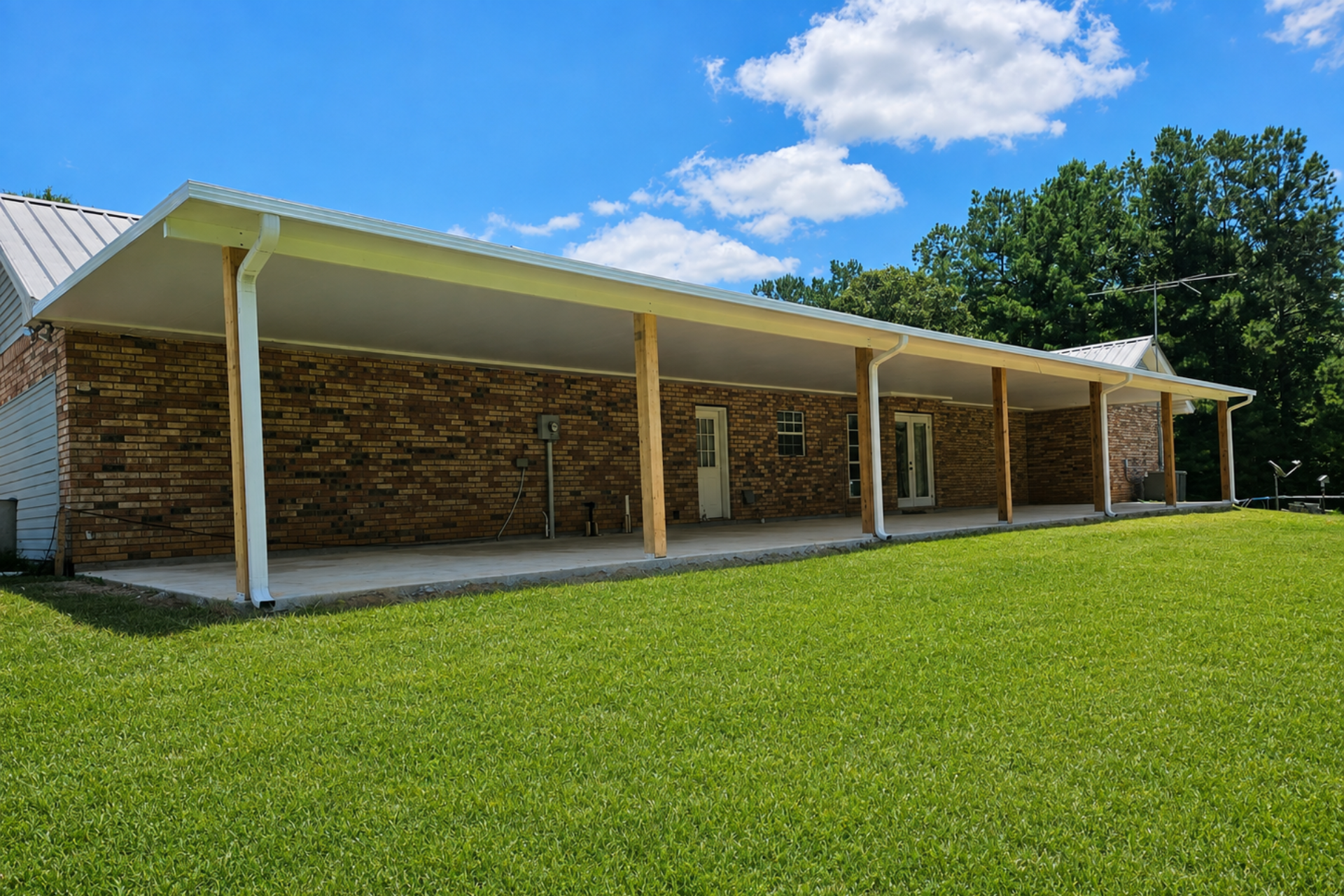
- Connections to concrete patios or garage slabs
The best design should complement both the house and the way the property is used.
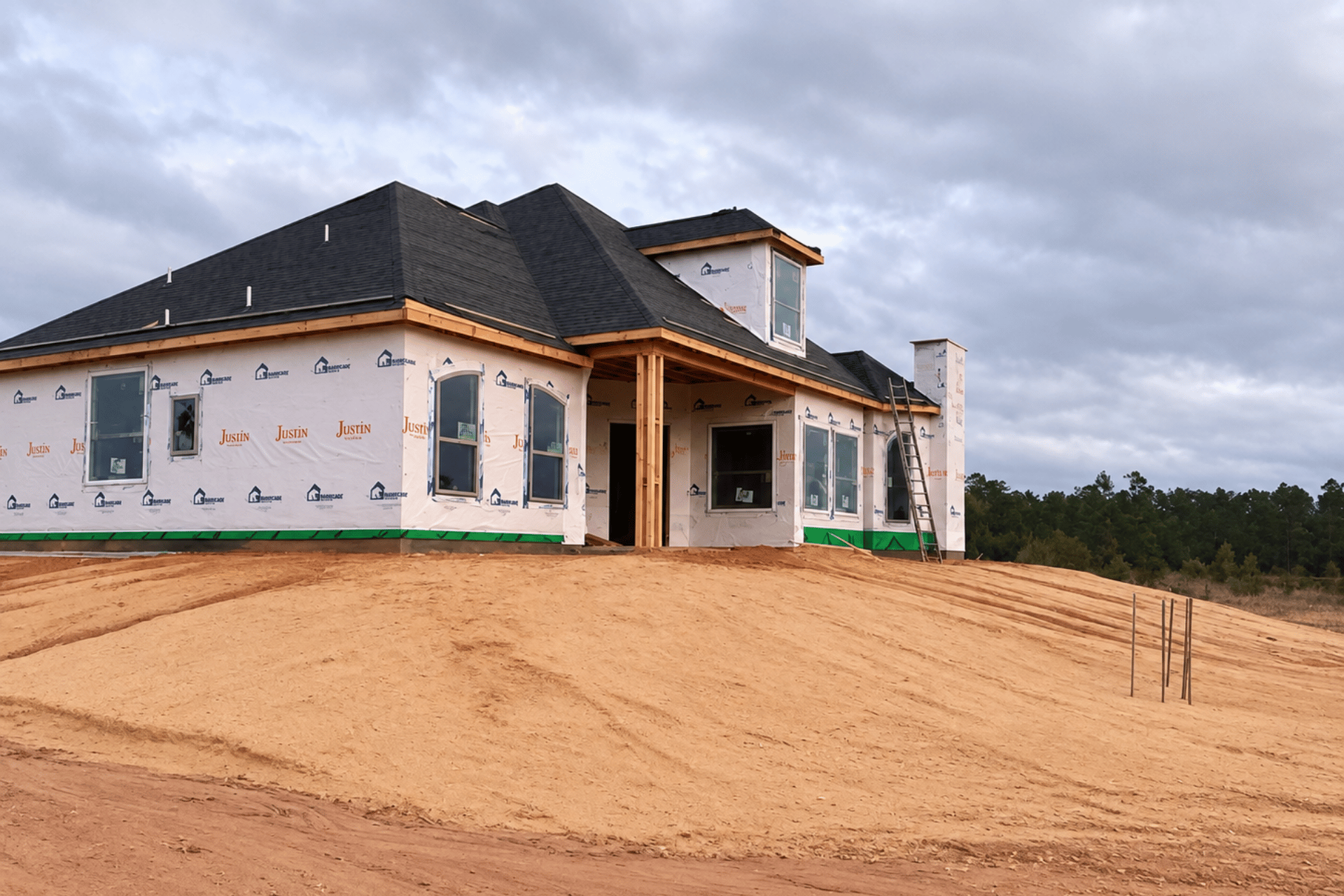
Concrete Driveways for New Construction
If you are building a new home, driveway planning should be considered alongside the overall site layout. The position of the garage, property access, drainage, landscaping, and outdoor living spaces can all influence the driveway design. Working with a builder that also handles concrete work can make it easier to coordinate these different parts of the project.
Replacing an Existing Driveway
Replacing an existing driveway often involves more than pouring new concrete over the old surface. The old material may need to be removed, and the underlying area should be evaluated before the replacement is installed.
This is also an opportunity to correct problems with:
- Drainage
- Width
- Parking space
- Uneven areas
- Access to the garage
- Connections to sidewalks or patios
If the existing layout has never worked well for your family, replacement may be a good time to improve it.
Choosing a Concrete Contractor
Before hiring a contractor, ask about experience with residential concrete projects similar to yours.
Questions may include:
- What preparation is included?
- How will drainage be handled?
- What is included in the estimate?
- Will the existing driveway need to be removed?
- What type of finish is planned?
- How long should the concrete cure before regular use?
- How will the work area be cleaned after installation?
Clear expectations can make the project easier for both the homeowner and the contractor.
Concrete Driveway Installation on the Northshore
A properly installed concrete driveway can provide a durable and practical surface for years of everyday use.
RS Builders & Remodeling provides concrete driveway installation and other residential concrete services for homeowners in Covington, Mandeville, Goodbee, and communities throughout the Northshore. Whether you need a new driveway for your home or are considering replacing an existing surface, our team can discuss the project, evaluate your needs, and provide a free estimate.
Contact RS Builders & Remodeling to learn more about professional concrete work for your property.